Memphis, Tennessee, is one of the best cities to visit for America's 250th anniversary in 2026. As the birthplace of rock 'n' roll, a cornerstone of the Civil Rights Movement, and home to world-famous barbecue, Memphis has shaped American culture for over 200 years and the city is celebrating the semiquincentennial with special events, historic tours, and live music throughout the year.
Memphis, Tennessee, is one of the best cities to visit for America's 250th anniversary in 2026. As the birthplace of rock 'n' roll, a cornerstone of the Civil Rights Movement, and home to world-famous barbecue, Memphis has shaped American culture for over 200 years and the city is celebrating the semiquincentennial with special events, historic tours, and live music throughout the year.
Memphis is home to movers, shakers, and innovators shaping music, food, logistics, Civil Rights, and beyond.
The birthplace of blues, soul, and rock ’n’ roll—and now a powerhouse for hip-hop—where legends from Elvis to B.B. King and Three 6 Mafia have shaped the sound of the world.
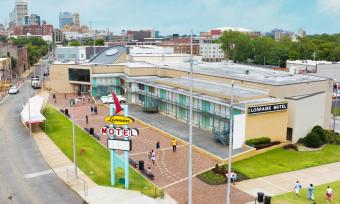
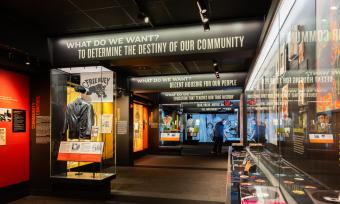
A cornerstone of the Civil Rights Movement, with seven U.S. Civil Rights Trail sites, including the National Civil Rights Museum at the Lorraine Motel.
Memphis-style barbecue is the best in the world, and we've got over 100 barbecue joints and a world championship cooking contest to show for it.


Why Is Memphis Important to American History?
Why Is Memphis Important to American History?
Memphis has played a defining role in American history across music, civil rights, food, and commerce. The city is home to seven U.S. Civil Rights Trail sites, including the National Civil Rights Museum at the Lorraine Motel, and is where rock 'n' roll, blues, soul, and Memphis hip-hop were born. It's also where Piggly Wiggly invented self-service grocery shopping (1916), FedEx launched global overnight shipping (1973), and Holiday Inn reimagined American travel (1952).


Memphis has been a center of innovation since its founding in 1819. Long before that, the land was home to the Chickasaw people, who lived, traded, and governed along the Mississippi River.
The C.H. Nash Museum at Chucalissa preserves this early history through an American Indian mound complex, exhibits, and nature trails. Built between 1000–1500 AD, the mounds served as ceremonial sites and homes for high-ranking leaders.
Spanish explorer Hernando de Soto passed through the area in the 1540s, followed by the construction of Fort Prudhomme in 1682, the region’s first European structure. Memphis was officially founded in 1819 on the Fourth Chickasaw Bluff along the Mississippi River and named after the ancient Egyptian capital.


How Did Memphis Shape American Music, Food, and Culture?
How Did Memphis Shape American Music, Food, and Culture?
Beale Street — 1841
A hub for Black culture and business, Beale Street always attracted musicians. In the 1920s, '30s and '40s, it became a destination for soon-to-be-legendary musicians. The likes of W.C. Handy, B.B. King, Memphis Minnie and so many more played the clubs, venues and street corners of Beale, popularizing the “Memphis Blues.” Explore Beale Street today and you’ll find live music every night of the week.
Piggly Wiggly — 1916
Founded in Memphis by Clarence Saunders in 1916, Piggly Wiggly was the first self-service grocery store. Learn more about Saunders and how he revolutionized grocery shopping when you visit the Pink Palace Museum & Mansion.
Rock 'n' Roll — 1951
Jackie Brenston and his Delta Cats, notably featuring Ike Turner on piano, laid down what would become the world’s first rock 'n' roll record with producer Sam Phillips at Memphis Recording Service, later named Sun Studio. Tour the studio to hear the story and all about the music icons who recorded there.
The First Rock Concert — 1954
As the birthplace of rock 'n' roll, it’s only fitting that the first rock show was also held here. Elvis Presley took the stage at Overton Park Shell in 1954 and changed the music world forever. The shell hosts free concerts May–October each year. You can also get a Backstage Experience Tour detailing the venue’s storied 90-year history.


Holiday Inn — 1952
Aiming to provide travelers with affordable yet reliable accommodations, Memphian Kemmons Wilson created a global hotel brand that started right here in Memphis in 1952 changing how Americans and travelers around the world experience overnight stays.
Stax Records — 1960
Soul music takes shape in Memphis. Estelle Axton mortgaged her home to help her brother Jim Stewart get his record company, Satellite Records, off the ground. The pair moved the company from Brunswick, TN, to McLemore Ave. in Memphis and rebranded as Stax. It wasn’t long before budding musicians like Carla and Rufus Thomas, Booker T and The MGs, Isaac Hayes, and Otis Redding popularized the “Memphis Sound” that helped push the soul music explosion worldwide. Today, you can visit the Stax Museum for the full American soul music story.
St. Jude Children’s Research Hospital — 1962
St. Jude Children’s Research Hospital was founded in Memphis by entertainer Danny Thomas in 1962. It is “the first and only National Cancer Institute-designated Comprehensive Cancer Center devoted solely to children.” Adding to their amazing mission? Families are never charged for treatments, food, travel and housing. Take a virtual tour of the hospital or make plans for the St. Jude Marathon in December, benefitting the hospital.
The Sanitation Workers' Strike — 1968
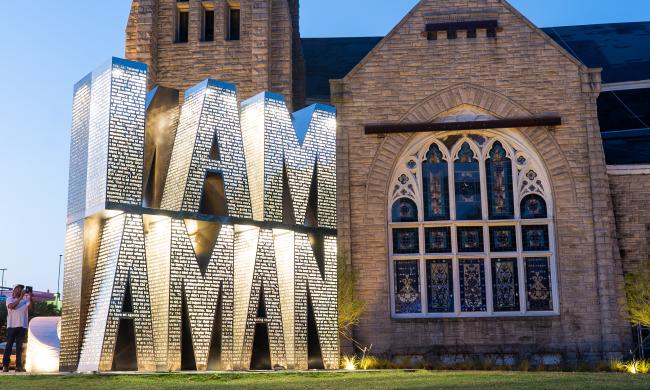
Memphis became the epicenter of a national labor and civil rights movement when Black sanitation workers demanded dignity and fair treatment. The strike brought Dr. Martin Luther King Jr. to Memphis and reshaped conversations around workers’ rights and justice in America. I AM A MAN Plaza serves as landmark to the brave workers who participated in the strikes. The assassination of Dr. Martin Luther King Jr. at the Lorraine Motel marked a pivotal moment in U.S. history. Today, the National Civil Rights Museum stands on that site, preserving the legacy of the movement and Memphis’ role in shaping the nation.
Memphis Barbecue Goes Global — 1970s–Present
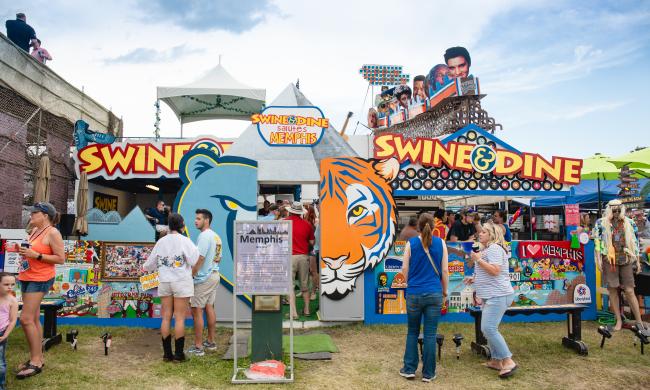
Barbecue has always been a cultural institution in Memphis, with neighborhood smokehouses and family recipes shaping the city’s identity for generations. In the 1970s, Memphis brought its flavors to the world with the World Championship Barbecue Cooking Contest, drawing pitmasters and fans from across the globe every May. Today, Memphis barbecue continues to define Southern cuisine and inspire chefs and food lovers everywhere.
FedEx — 1973
One of Memphis’ most recognizable brands, FedEx (formerly Federal Express), was founded by Frederick W. Smith as a global shipping, delivery and supply chain company. Smith headquartered and began operations in Memphis in 1973.
Memphis Hip-Hop Breaks Through — 1990s–Present
Memphis helped shape the sound of modern hip-hop, pioneering a gritty, hypnotic Southern style that would influence the entire genre. Groups like Three 6 Mafia put the city on the global stage, blending dark, fast-paced beats with bold storytelling and in 2006, they became the first hip-hop group to ever to win a Grammy, cementing the city’s legacy in music history. Today, artists like Yo Gotti, Young Dolph, NLE Choppa, and Glorilla continue to push Memphis hip-hop forward, proving the city’s influence is alive and evolving.

Want to see ducks march down a red carpet inside a historic hotel? How about a tour at the world's only museum solely dedicated to metalworking? Want to visit the birthplace of rock 'n' roll? Catch a show at the region's only freestanding Black repertory theater. See a performance from the region's only bilingual theater company or the South's largest Black dance company. Tour the state's oldest encyclopedic art museum or the nation's first museum dedicated to the Civil Rights Movement. Explore one of the nation's top-ranked zoos. Find all that and more only in Memphis.