Memphis is the barbecue capital of the world and that's not a marketing slogan. It's a fact backed by over a century of pit tradition, more barbecue restaurants per capita than any other American city and a major barbecue competition held every year that draw teams from around the globe. But what exactly makes Memphis-style BBQ different? Here's your complete guide.
Memphis is the barbecue capital of the world and that's not a marketing slogan. It's a fact backed by over a century of pit tradition, more barbecue restaurants per capita than any other American city and a major barbecue competition held every year that draw teams from around the globe. But what exactly makes Memphis-style BBQ different? Here's your complete guide.
What Makes Memphis BBQ Different?
What Makes Memphis BBQ Different?
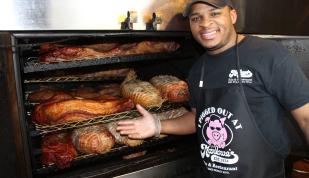
Memphis barbecue is defined by three things: pork, dry rubs, and slow smoking over hardwood. While other regional styles lean on beef, whole hog, or mustard-based sauces, Memphis focuses almost exclusively on pork, specifically ribs and pulled pork shoulder, cooked low and slow until the meat falls off the bone.
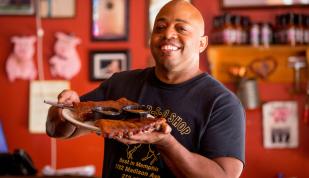
The defining debate in Memphis BBQ is dry vs. wet. Dry ribs are coated in a blend of spices and smoked without sauce. Wet ribs are basted during cooking and sauced before serving. Most Memphis pitmasters have a strong opinion about which is superior. You should form your own.

The History of Memphis Barbecue
The History of Memphis Barbecue
Memphis's barbecue identity grew from its geography. As a major Mississippi River port city in the 19th and early 20th centuries, Memphis had access to a broader range of spices, molasses, and trade goods than most Southern cities — and those ingredients found their way into the pits. The city's large African American community, with roots in the Mississippi Delta, shaped the cooking techniques and seasoning traditions that define Memphis BBQ to this day.
By the mid-20th century, iconic joints were already legends. Charlie Vergos opened the Rendezvous in a basement alley off Monroe Avenue in 1948, perfecting a Greek-influenced dry rub over charcoal. Interstate Barbecue, Cozy Corner and Payne's Bar-B-Que each built devoted followings in their own neighborhoods, cementing Memphis's reputation one rack at a time.
Today, Memphis hosts one of the world's most prestigious BBQ competitions in the World Championship Barbecue Cooking Contest held in May at Liberty Park.

Memphis BBQ Dry Rubs: What's In Them?
Memphis BBQ Dry Rubs: What's In Them?
The dry rub is the soul of Memphis BBQ. Every pitmaster guards their recipe, but most blends include some combination of the following: paprika, garlic powder, onion powder, black pepper, cayenne, brown sugar, and salt. The rub is massaged into the meat, often the night before, and forms a crust, called a bark, during the slow cook.
Charlie Vergos' Rendezvous is the most famous ambassador of the dry rib. Their charcoalgrilled ribs, dusted with a Greek-inflected spice rub, are unlike anything else in Memphis, and they don't use a smoker. The result is a slightly crispier exterior with a tender interior that has made them one of the most visited restaurants in Tennessee.
Memphis BBQ Sauces: Sweet, Tangy & Everything In Between
Memphis BBQ sauce tends to be tomato-based, sweetened with molasses or brown sugar, and balanced with vinegar for tang. But there's no single standard. Every joint has its own recipe and sauce variations across the city are wide. Cozy Corner is known for a hot sauce that brings serious heat. Try it on their legendary barbecue Cornish game hen. Interstate Barbecue's Jim Neely developed his own sauce from scratch with no family recipe to reference, landing on a balance of sweet and tangy that has become one of the city's most beloved. The Bar-B-Q Shop Dancing Pigs sauce is a standout worth knowing by name. The recipe is over 50 years old, tracing back to the original Brady & Lil's BBQ that preceded the restaurant. It's a thick, vinegar-forward sauce, not the typical sweet Memphis style, and it comes in Original and Hot varieties.

What to Order at a Memphis BBQ Restaurant
What to Order at a Memphis BBQ Restaurant
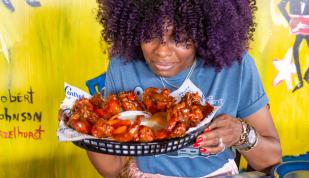
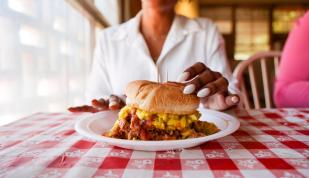
If it's your first time at a Memphis BBQ joint, start with the ribs — either a half rack dry or wet, depending on your preference. Follow that with a pulled pork sandwich. From there, the city gets creative.
Memphis pitmasters have invented dishes you won't find in other BBQ cities: •
- BBQ nachos — pulled pork over tortilla chips with BBQ sauce, a Memphis original. The roots are debated but largely Germantown Commissary is deemed the inventors. You'll find bbq nacho variations at many bbq joints.
- BBQ spaghetti — spaghetti noodles tossed with pulled pork and marinara. The Bar-B-Q Shop on Madison is the place to try it.
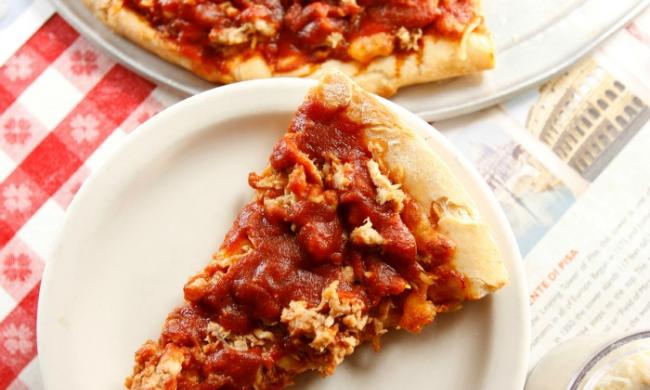
- BBQ pizza — invented at Coletta's in the 1950s, reportedly a favorite of Elvis Presley. Elwood's Shack has also perfected their own.
- Barbecue bologna — yes, smoked bologna is a Memphis thing. Payne's is the essential stop.
Memphis BBQ Sides: The Essentials
No Memphis BBQ plate is complete without sides. The standards: baked beans (often cooked with drippings from the pit), creamy coleslaw, macaroni and cheese, potato salad and cornbread. Corky's is known for their baked beans and seasoned fries. The Germantown Commissary serves house-made pig chips — thin, crispy, and ideal alongside a pulled pork sandwich.
Appetizers are taken seriously too. The cheese and sausage plate at Rendezvous is a pre-rib ritual for regulars. Corky's onion loaf has its own following.